13th annual Community Driven Research Day

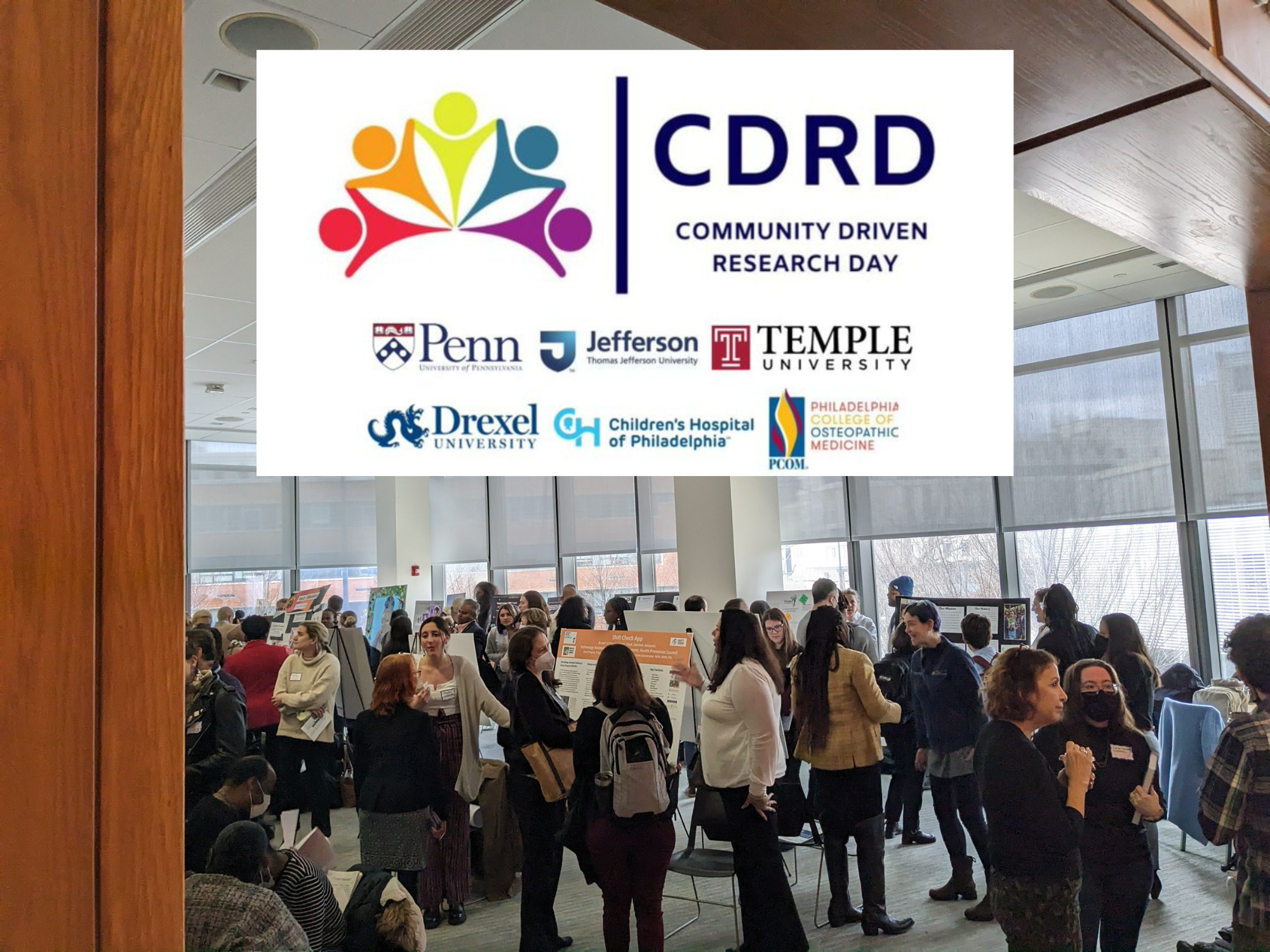
The largest academic institutions in Philadelphia – Penn, CHOP, Temple, Drexel, PCOM, and Jefferson – connected with leading minds in the community during the 13th Annual Community Driven Research Day (CDRD) this past January at Drexel’s LeBow College of Business in West Philadelphia.

CDRD encourages collaborations between researchers and community-based organizations (CBOs) and community groups who have research questions that they are interested in answering, specifically in ways that address social determinants of health.

“Often it is the academic who is setting the research agenda, but the research is happening in the community. That’s why community-academic partnerships are so important, because community needs to be a part of setting the research agenda.”

-Ayana Bradshaw, keynote panelist, Executive Director of Health Promotion Services at PHMC/Executive Director of Health Promotion Council
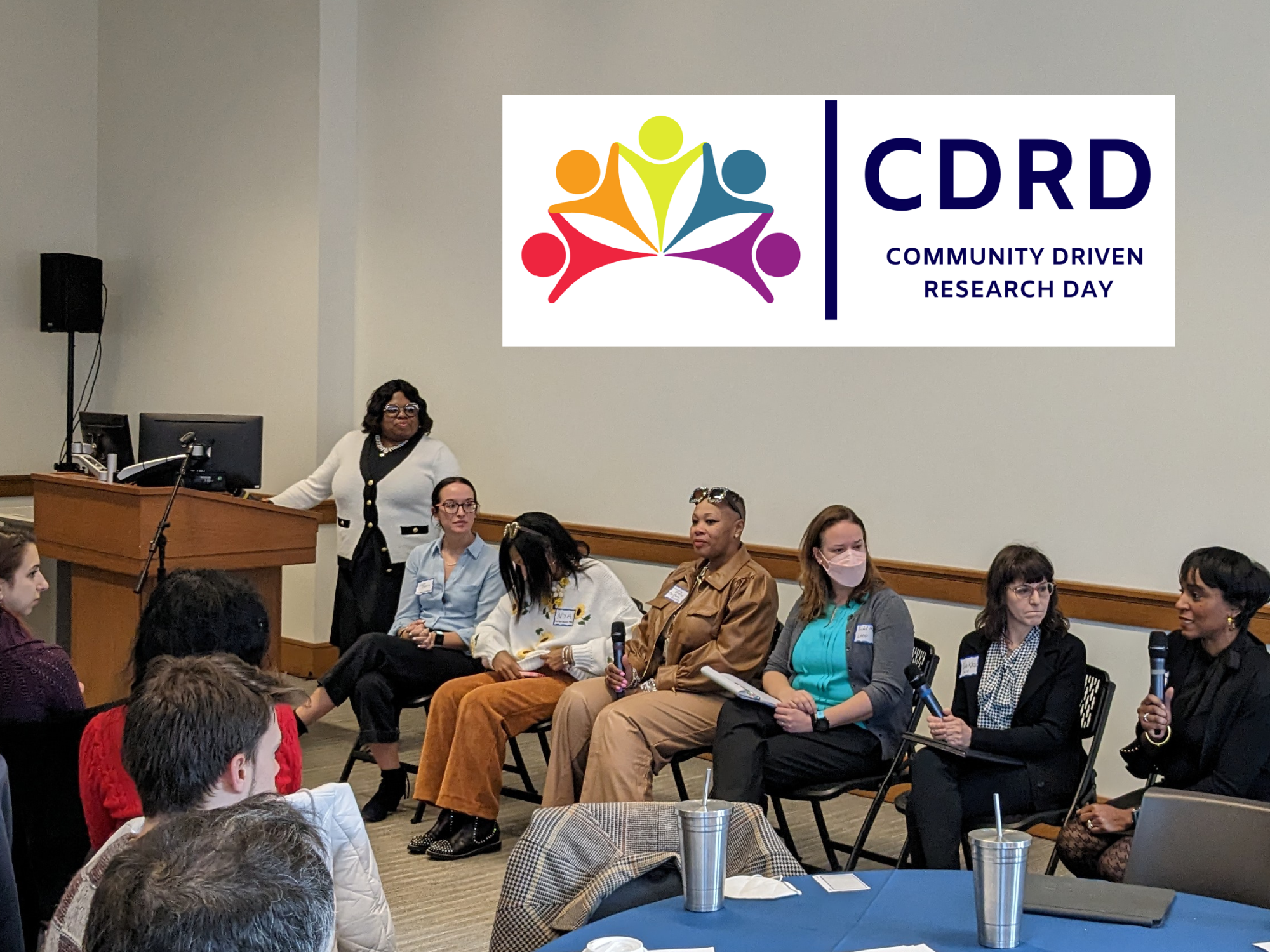
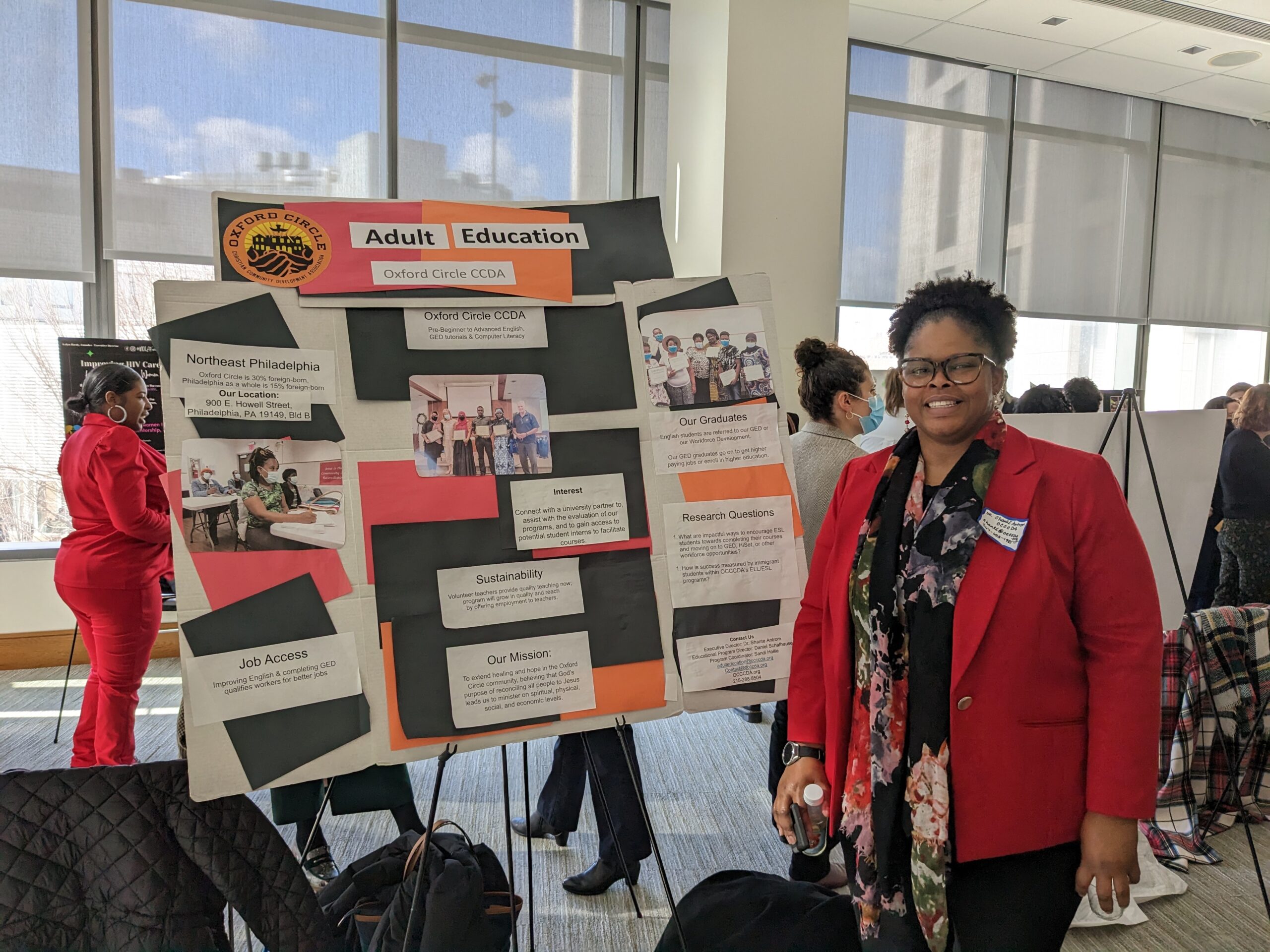
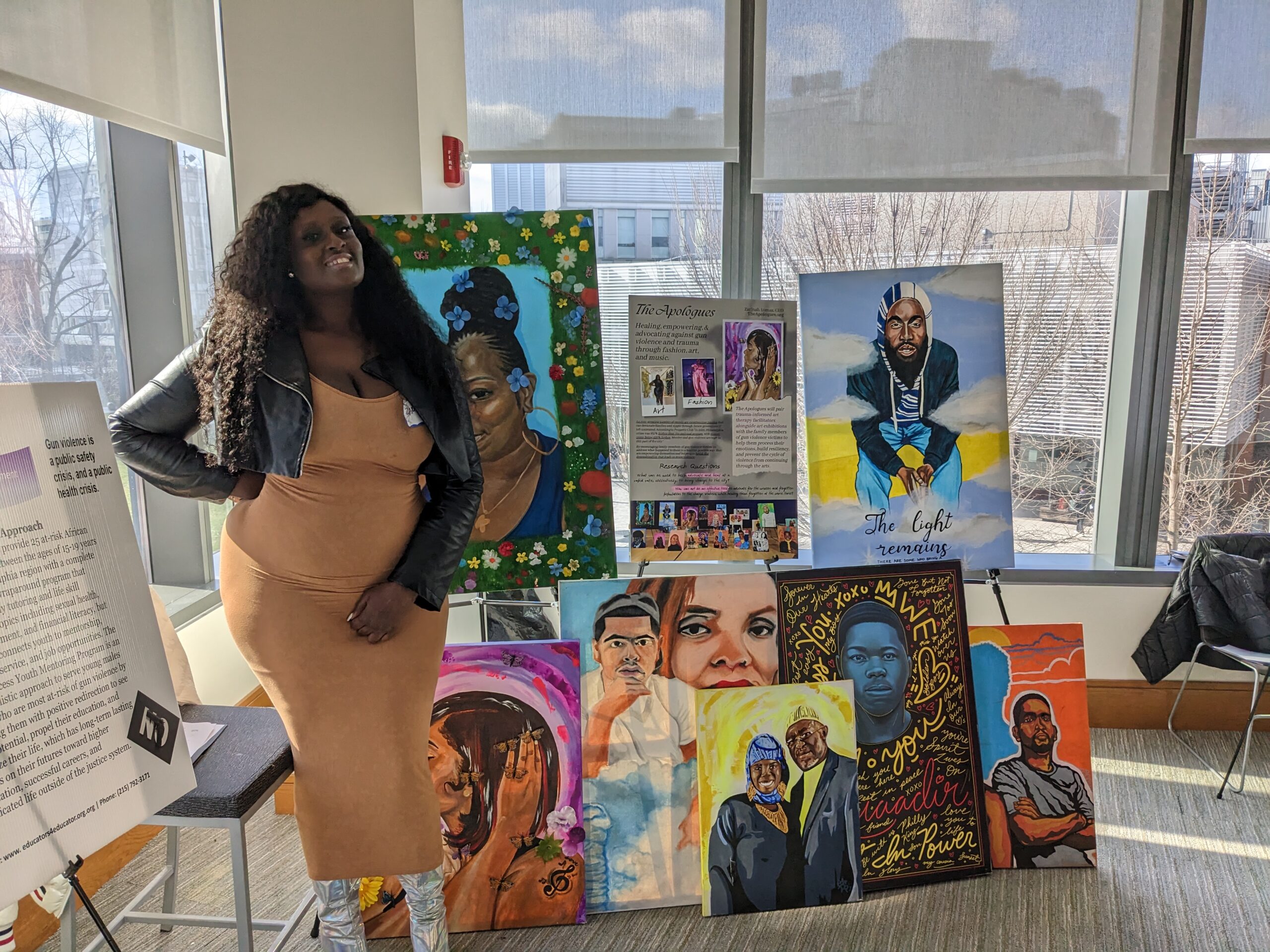
Through an interactive poster session, CBOs and community groups highlight their questions to CDRD participants, who include area non-profits, community groups, public sector partners, and researchers from the Children’s Hospital of Philadelphia, the University of Pennsylvania, Temple University, Drexel University, Thomas Jefferson University, and the Philadelphia College of Osteopathic Medicine. CBOs, community groups, academic researchers, and students have ample opportunity to discuss potential mutually-beneficial collaborations.

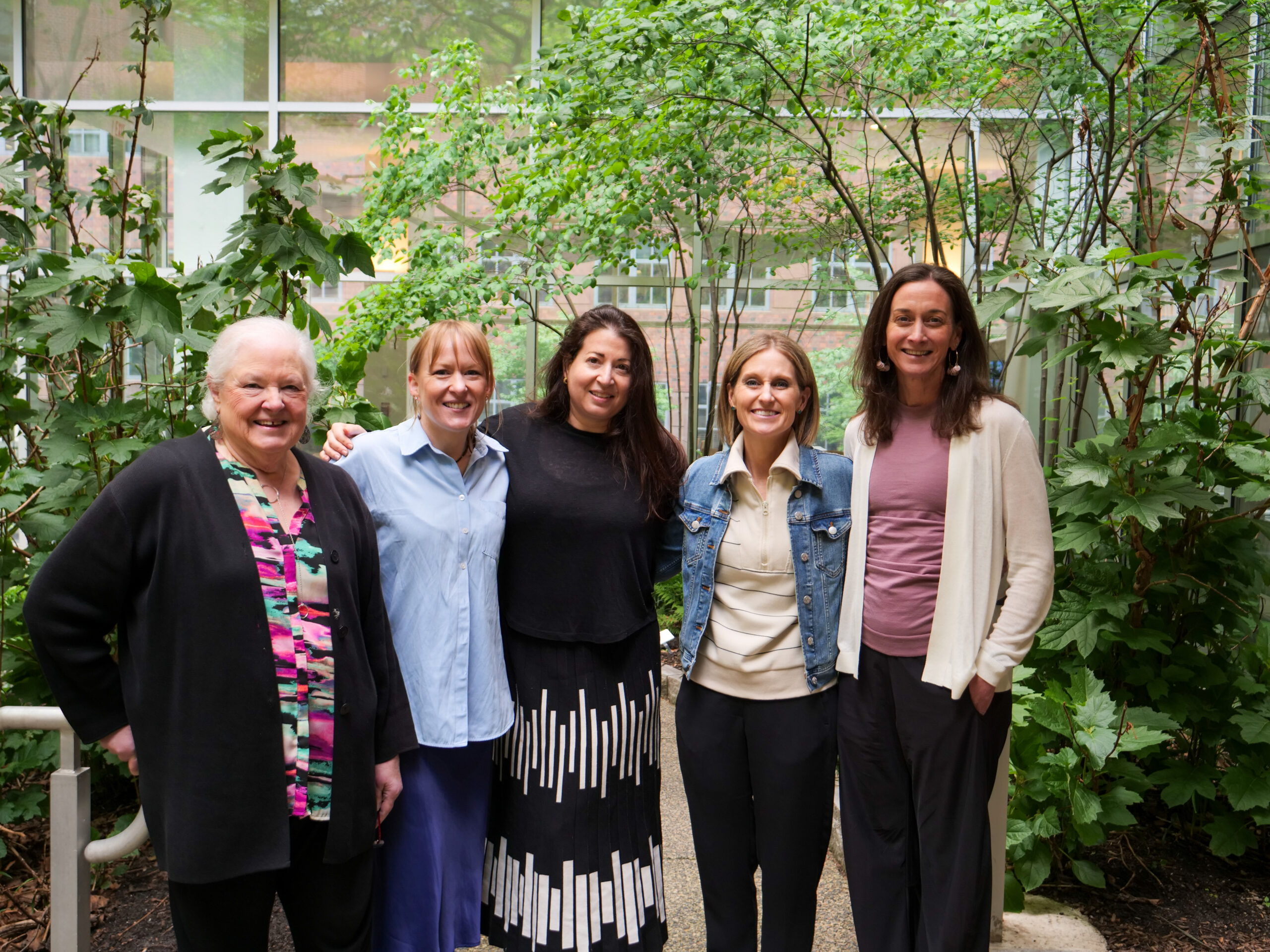
An esteemed keynote panel of community and academic partners, including Senior Scholar Rachel Myers and Community Scholars Alumni Lynette Medley, Nya McGlone, and Ronna Kassel, was moderated by Nicole Thomas, which provided pearls of wisdom to the audience in how to create and maintain effective partnerships. Other Penn Injury Senior Scholars and staff were also in attendance.

Following the keynote panel was an engaging poster session, with past and present Community Scholars well-represented. Presenters from community-based organizations are eligible to partner with an academic to apply for $10,000 pilot grants from each participating institution, to develop community-led solutions and community-academic partnerships.

The course was incredibly enriching; not only did I learn from outstanding presenters, but I also gained valuable insights into a wide range of projects addressing firearm injury prevention.

What stood out most, however, were the relationships I built with fellow scholars and faculty. The collaborative and welcoming environment made this one of the most rewarding academic experiences I’ve had.

Victor Soupene

Postdoctoral Fellow, University of Iowa


Grounded in an action-oriented approach to firearm injury prevention research. The curriculum spans the full continuum of injury research — including homicide, suicide, recovery, and survivorship — and emphasizes translating scientific evidence into policy, practice, and community impact.

Participants engage with:

  • Foundational and emerging scientific frameworks
  • Conceptual and theoretical models of injury prevention
  • Ethical and trauma-informed research practices
  • Advanced methodological approaches, including spatial analysis and data science
  • Strategies for policy translation, communication, and real-world implementation 

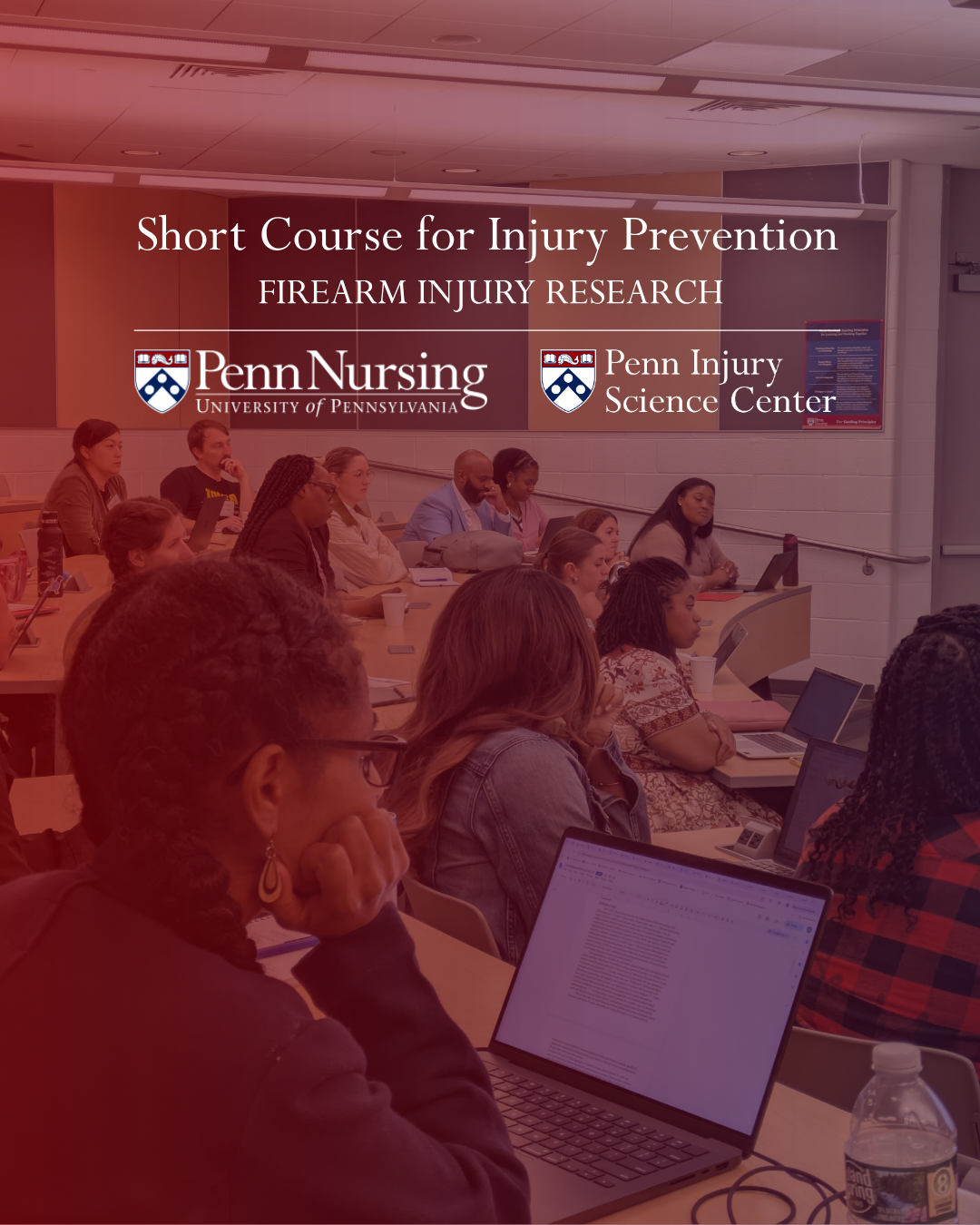
The in-person institute offers a deeply immersive, cohort-based learning environment hosted at Penn Nursing, where participants work closely with leading faculty, guest experts, and peers.

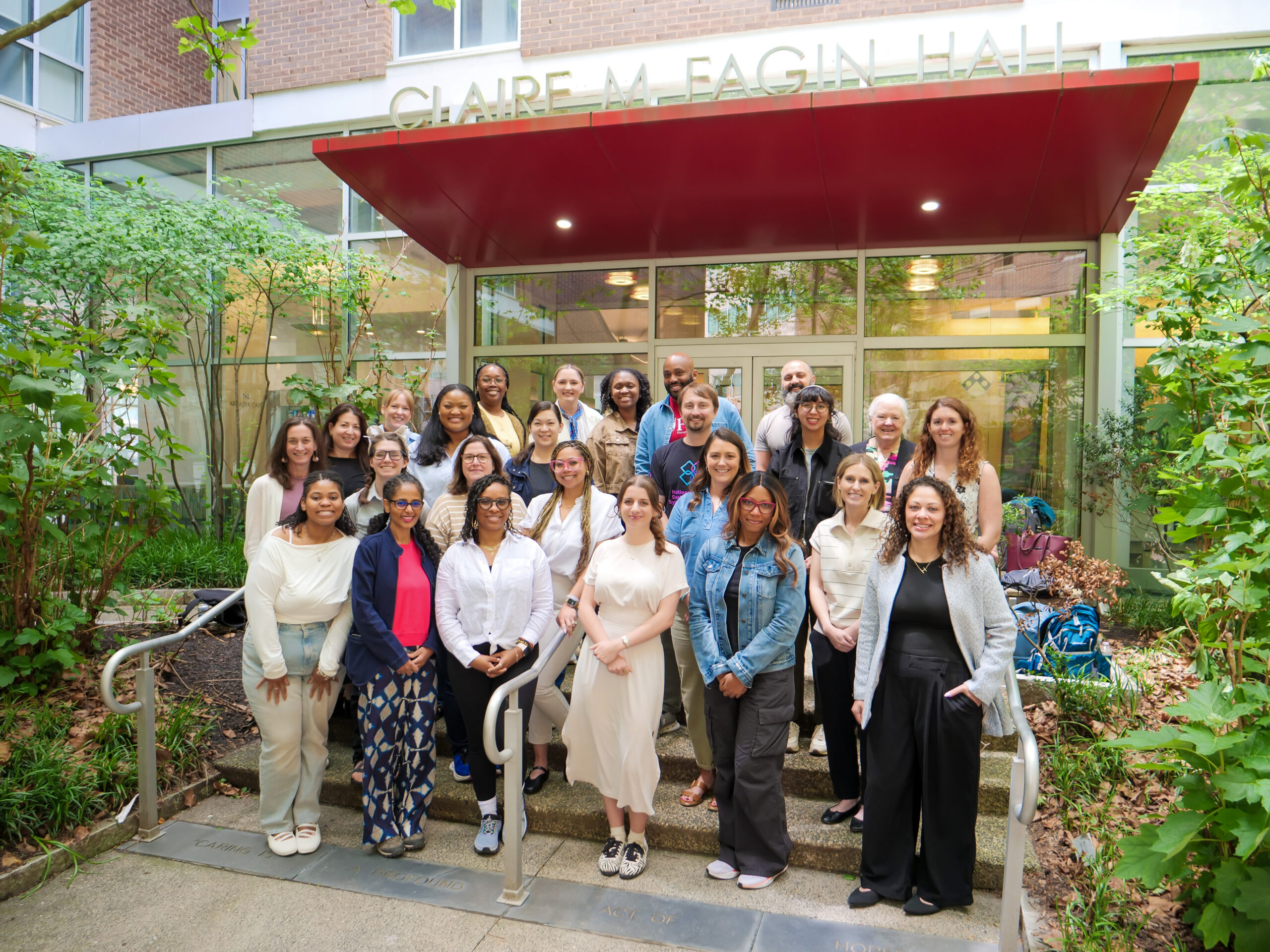
After receiving foundational instruction virtually, participants arrived in-person where, over five days, the curriculum progresses from idea development to actionable research planning, with each day focused on a key domain. 

Through workshops, panels, and mentoring sessions, participants develop and refine their own research concepts — moving toward clear aims, feasible methods, and policy-relevant applications.

As a Clinical Psychology PhD student interested in family health and community stress, I’m constantly thinking about how individual level experiences intersect with broader systems, community health, and policy. This course deepened that lens and highlighted how behavioral science, trauma informed care, and community partnerships are essential to meaningful health promotion.

I’m looking forward to integrating these insights into my training and continuing to support communities experiencing neighborhood-level stress through research informed practices.

Khirsten Wilson

Doctoral Student, University of Notre Dame


Led by Sara Jacoby and Kate McDonald — with fellow Core Faculty Terry Richmond, Katie Hoskins, and Julie Ward — the program draws on expertise across nursing, public health, policy, and data science.

Participants also engage with guest speakers from across Penn and the broader region, exploring topics such as:

  • Community-academic partnerships and equitable engagement
  • Health system–based firearm injury prevention
  • Place- and environment-based interventions
  • Media, narrative, and public communication
  • Digital and global perspectives on violence prevention 
These sessions create opportunities for cross-sector dialogue and foster a collaborative research network that extends beyond the classroom.


By the end of the institute, participants produce a refined research concept or action plan that includes:

  • Clearly defined research questions and aims
  • Identified data sources and methodological approaches
  • Consideration of ethics, equity, and community impact
  • Pathways for dissemination, collaboration, and future funding
The program concludes with a post-institute virtual session, reinforcing continued mentorship, collaboration, and engagement within the learning network.

Feeling fortunate to have spent the week as the first cohort for the Short Course for Action-Oriented Research on Firearm Injury Prevention at the University of Pennsylvania School of Nursing and Penn Injury Science Center!

A huge thank you to the faculty for creating such engaging lectures and to my amazing fellow participants for the thoughtful discussions, collaboration, and new friendships. I’m leaving with new knowledge, fresh perspectives, excitement, and renewed motivation for the work ahead.

Dr. Helen Castro

Clinical Assistant Professor & Lead Trauma Surgery Nurse Practitioner, University of Illinois Chicaco / UChicago Medicine

Interested?

Learn more about the program and join the interest list for the next cohort.

I’m really so grateful to have attended the inaugural Short Course. I learned so much about the work being done and the gaps to fill. I had the chance to connect with new mentors and peers whose expertise and passion for this work are truly inspiring.

Thank you to the organizers, faculty, and other participants for making this such a valuable experience.

Brooke Wheeler Jones

Doctoral Candidate, University of North Carolina

I am leaving the University of Pennsylvania deeply grateful and intellectually renewed after spending the week as part of the first cohort for the Short Course for Action-Oriented Research on Firearm Injury Prevention, hosted by the Penn Injury Science Center and the University of Pennsylvania School of Nursing.

A sincere thank you to the faculty for creating such engaging lectures and to my fellow participants for the thoughtful discussions, collaboration, and new friendships.

I am leaving with new knowledge, fresh perspectives, excitement, and renewed motivation for the work ahead.

Phillip Jordan

Title, Company