Desmond Patton led a novel analysis using focus group and social media data to confirm or reject findings from qualitative interviews, conducted to understand how violence impacted low-income residents of color amidst co-occurring health (COVID-19) and social...
Little is known about how survivors of adverse childhood experiences (ACEs) manage their high blood pressure, a common and significant long-term effect of ACEs. Carmen Alvarez and colleagues conducted a qualitative analysis, finding the health behavior of survivors of...
Deeply Rooted, an initiative led by Gina South and Nicole Thomas of the Urban Health Lab, awarded the first round of community green grants, totaling $51,000 to 22 community leaders and organizations. The grants provide funding for communities to invest in their...
A paper led by Carmen Alvarez explores whether modifiable variables – depression and patient activation – explain the relationship between adverse childhood experiences and medication adherence among patients with uncontrolled hypertension. Read the full...
Gina South, Michelle Kondo, and colleagues found that even after adjusting for neighborhood privilege, more tree cover was linked to less violence. Takeaways and future directions are discussed in an LDI blog post. Read the full publication
Gina South was among this year’s recipients of the Penn Medicine Awards of Excellence. South received the Marjorie A. Bowman New Investigator Research Award, which recognizes achievements in patient-oriented research that addresses fundamental clinical problems...
Gina South and colleagues about the role of health system in closing the racial wealth gap, noting its inextricable link to health outcomes. Read the full publication
Terry Richmond, Marta Bruce, and colleagues examined how neighborhood characteristics impact the recovery of Black men following a traumatic injury. Severity of PTSD and depressive symptoms was associated with neighborhood crime/violence/vacancy and neighborhood...
Sara Jacoby led a commentary that argues “recidivism” as a less than ideal metric for evaluating success in tertiary firearm injury prevention, as well as the insinuation it makes about racialized criminality and how it reinforces stigma. Read the full...
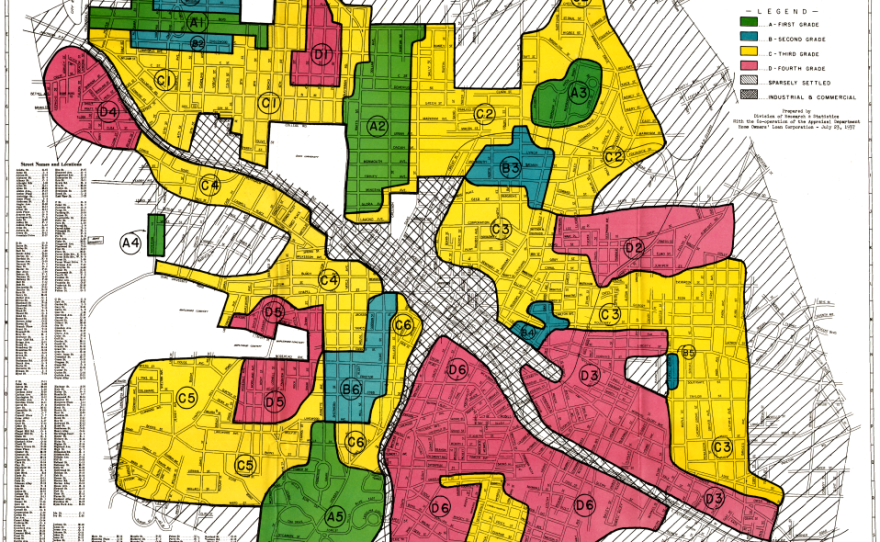
Chris Morrison, Sara Jacoby, and colleagues add a layer of understanding to the impact of historical racist redlining practices on present day firearm violence by assessing the relationship in different cities and the dose-responsive relationship on a zip code level....